
Glass Solar Panels
Permanent off-grid homes, rural properties, and remote facilities require solar panels that withstand hurricane-force winds, hail impacts, and decades of continuous operation without degradation. DOKIO Glass Solar Panels deliver rigid waterproof systems rated for extreme weather while maximizing energy capture in stationary installations. Shop rigid waterproof panels at the best price from the official store and invest in permanent clean energy infrastructure.

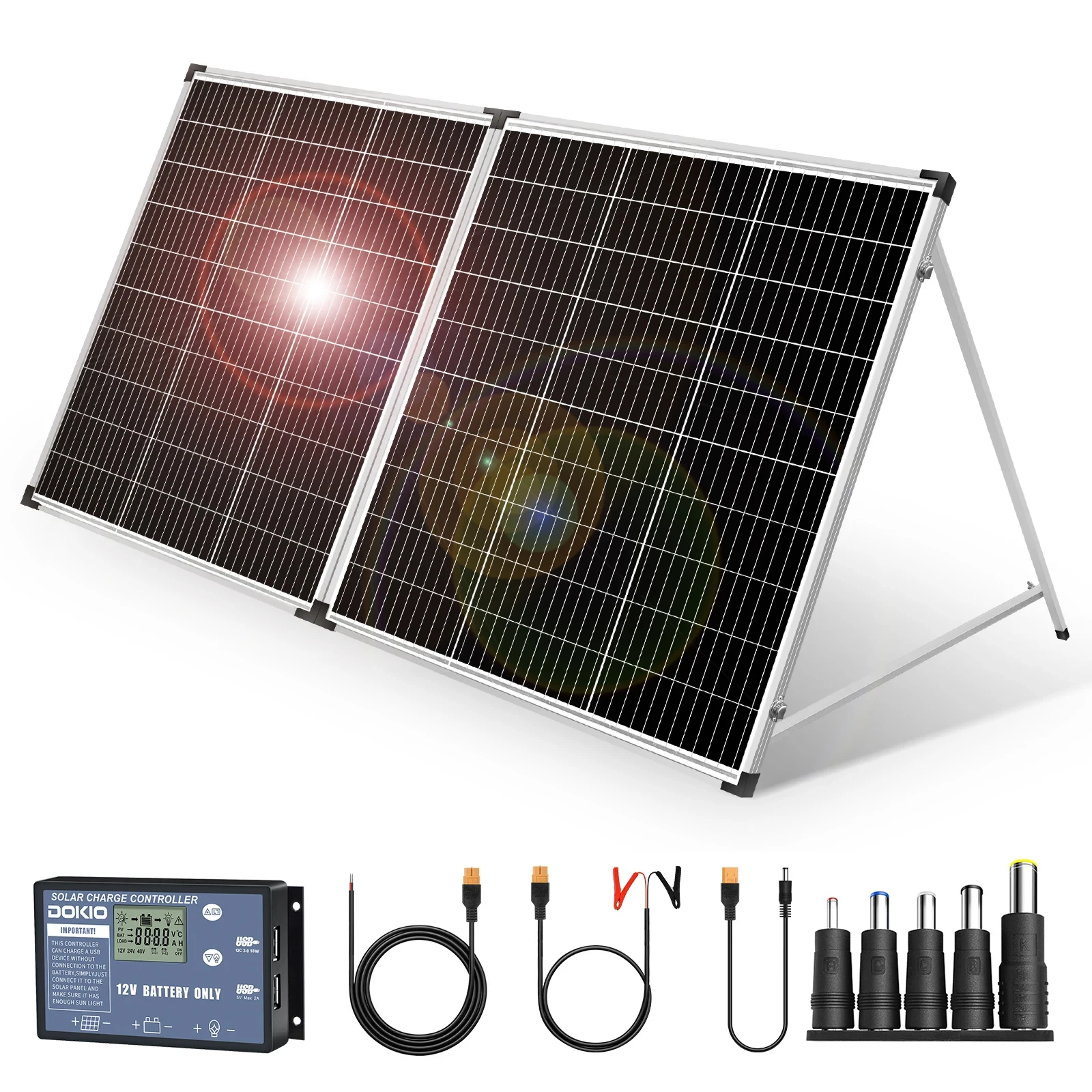
DOKIO Glass Solar Panels for Permanent Off-Grid Systems
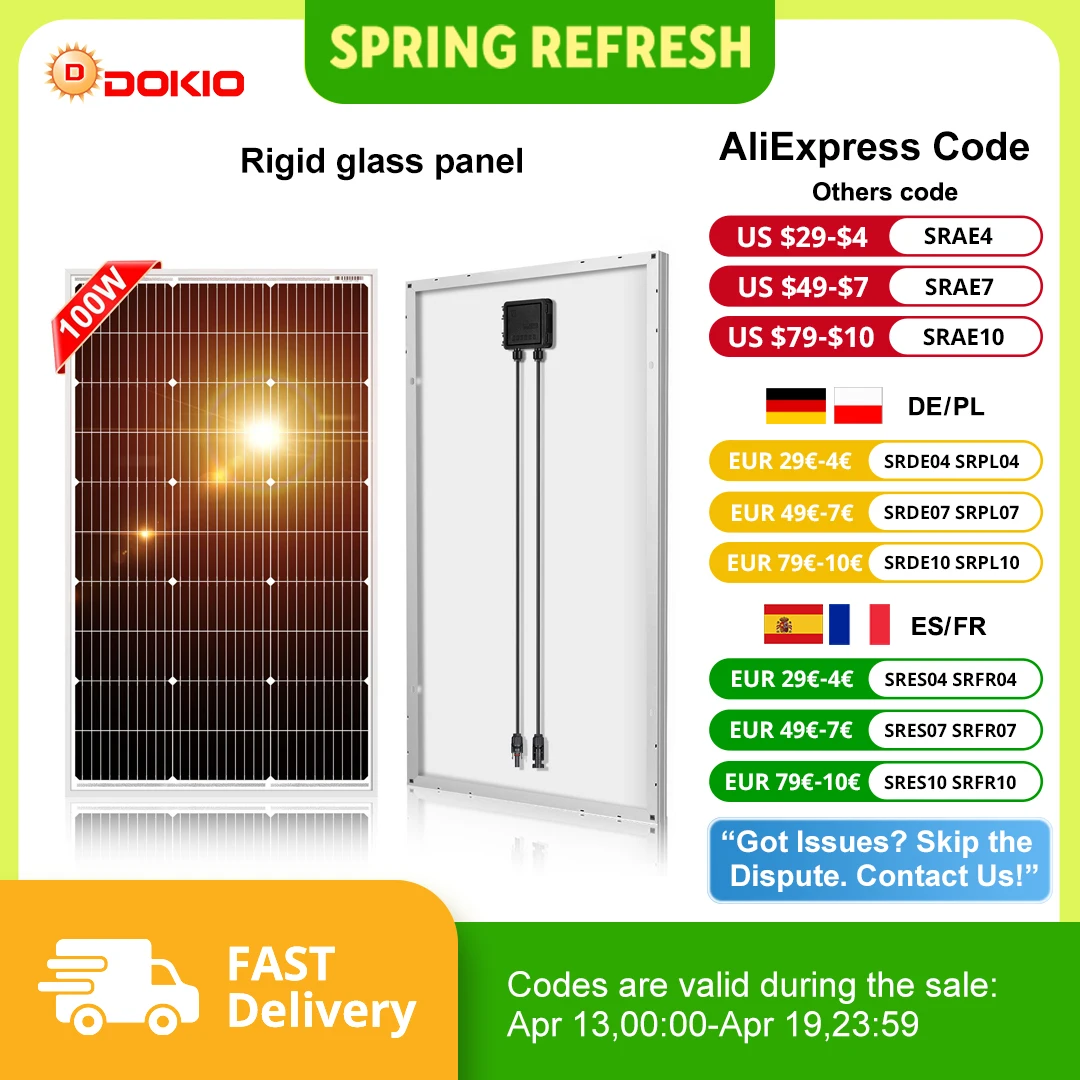
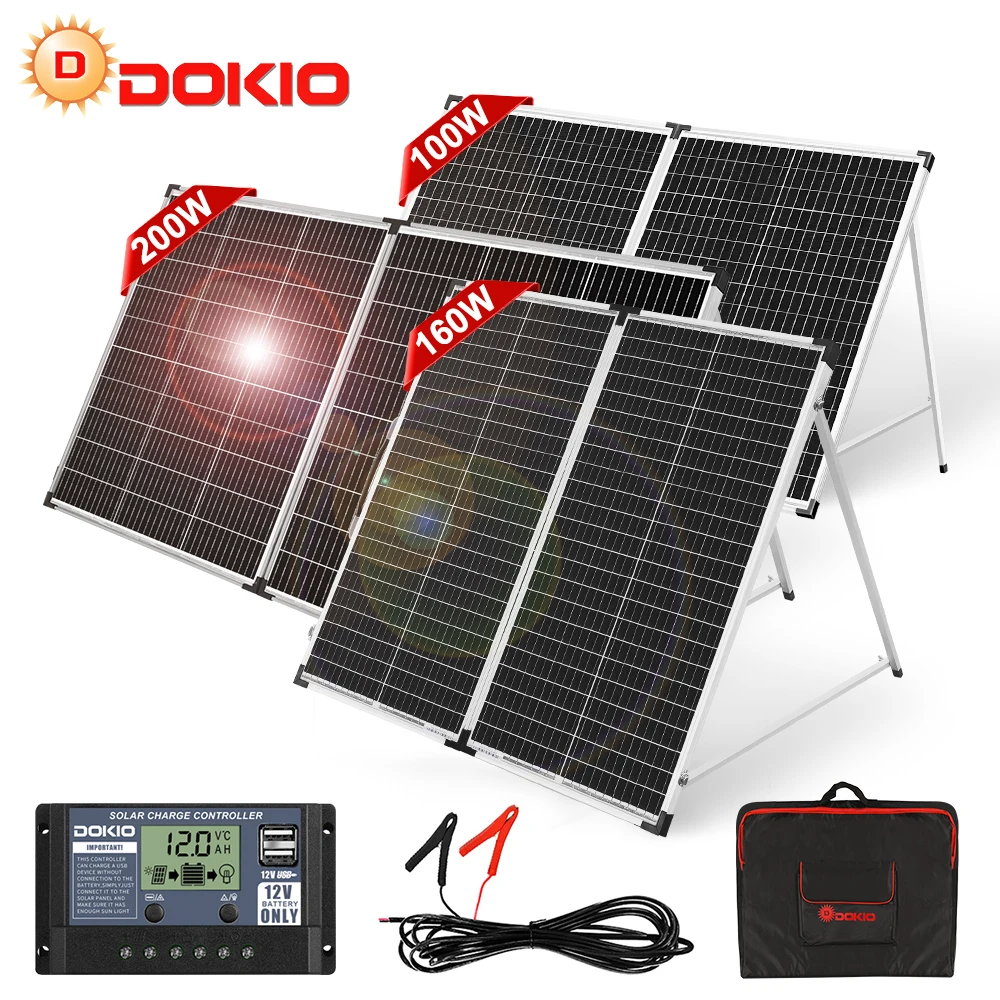
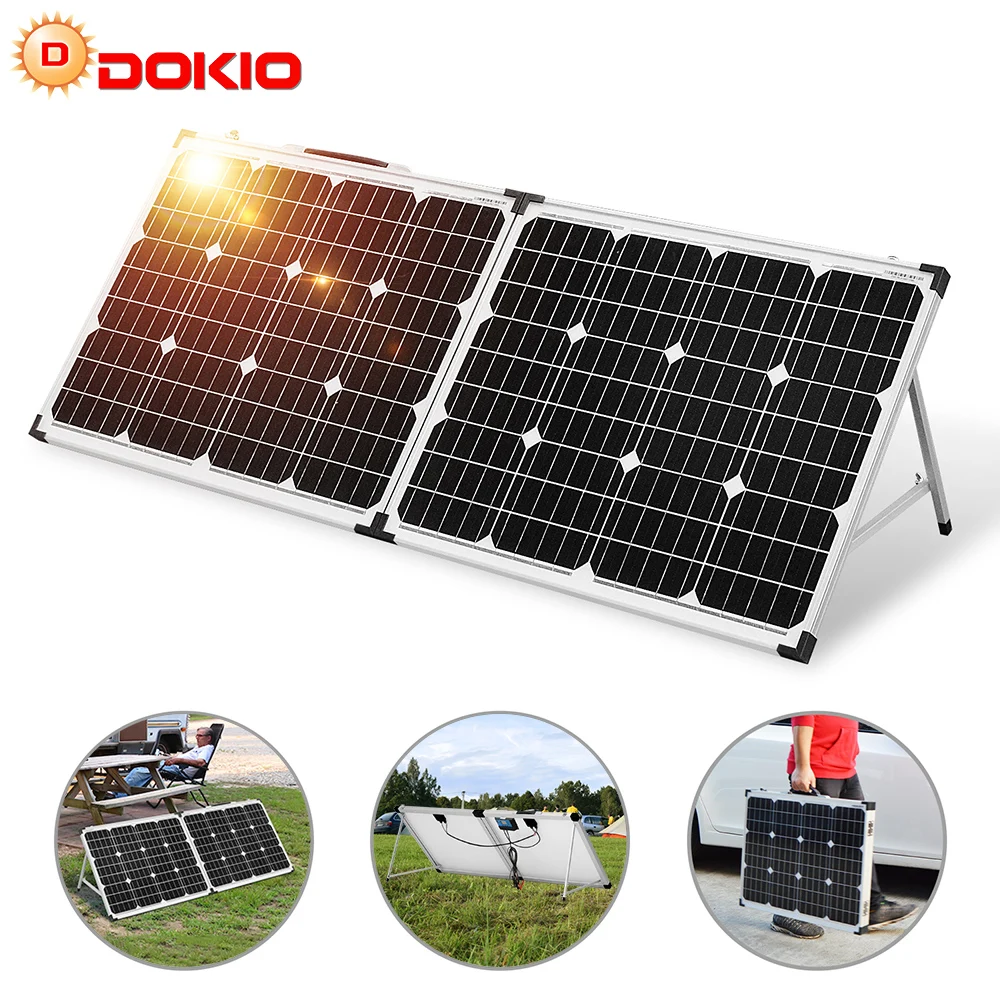
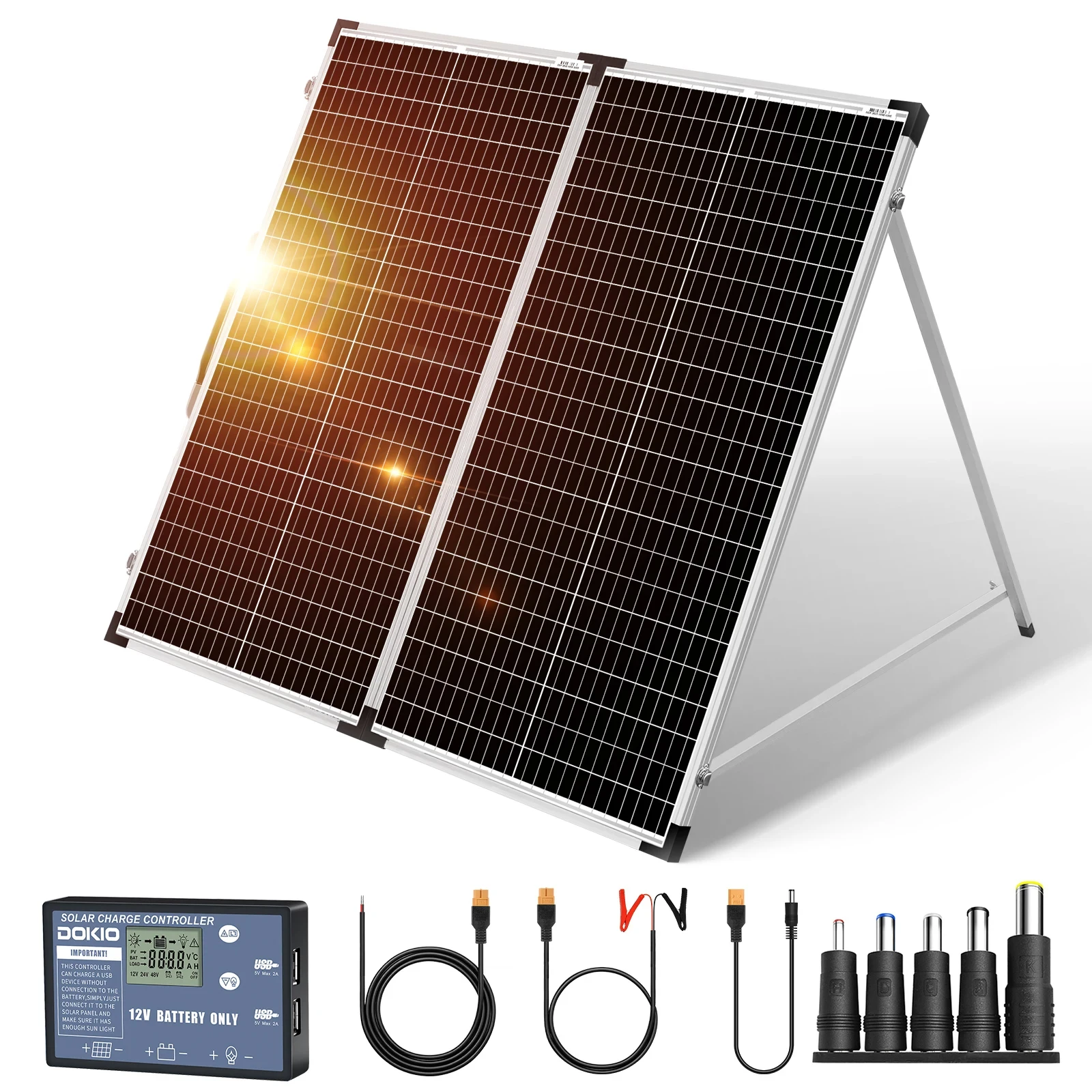
DOKIO Glass Solar Panels are engineered for homes, cabins, farms, and remote facilities requiring permanent energy infrastructure that outlasts changing weather and technology cycles. These rigid waterproof panels use tempered glass fronts bonded to aluminum frames, creating structural systems rated for 140-mph wind loads and 1-inch hail impacts without cracking. Monocrystalline cells beneath the glass deliver 20-22 percent conversion efficiency, producing maximum output per square meter of roof or ground space. The waterproof design prevents moisture infiltration into cell arrays, protecting internal components from corrosion and maintaining performance across 25-30 year service lifespans. Aluminum frames include pre-drilled mounting points compatible with universal racking systems, simplifying installation on sloped roofs or flat ground arrays. Edge-sealed glass construction prevents water pooling and maintains structural integrity through repeated freeze-thaw cycles in cold climates. Order DOKIO glass solar panels from the official store to receive complete system design consultation, professional installation guidance, and comprehensive manufacturer warranties.
Glass Technology and Rigid Waterproof Construction Specifications
Tempered glass fronts strengthen through a heating and cooling process that makes them five times harder than annealed glass while maintaining light transmission above 92 percent. The waterproof aluminum frame bonds directly to the glass using epoxy resin, eliminating silicone seams that degrade under UV exposure and temperature cycling. Each cell connection points to redundant bus bars, so single-cell failure never impacts the entire panel electrical output. Back sheets use polyester and fluoropolymer laminates that resist moisture penetration and maintain insulation ratings across tropical humidity and arctic cold extremes. Junction boxes mounted on the panel rear include bypass diodes, allowing current to flow around shaded cells rather than blocking the entire string. IP67 waterproof ratings mean complete submersion in floodwaters causes no electrical failure, critical for properties in flood-prone regions. These rigid panels meet IEC 61215 international safety standards, certified for grid-tied systems and battery-backed installations in over 180 countries.
Why Glass Solar Panels Outperform Flexible Alternatives for Permanent Installation
Rigid waterproof panels cost 20-30 percent less per watt than equivalent flexible systems, making them the economical choice for large capacity installations spanning decades. The glass surface cleans easily with water and mild soap, maintaining efficiency even in dusty desert regions where flexible coatings attract particulates. Thermal expansion rates remain stable in glass, whereas plastic-based flexible panels experience creep and warping after 10-15 years in direct sun. Insurance companies recognize glass solar panels as permanent home improvements, sometimes reducing premiums due to reduced grid dependency and generator fuel storage. Resale values increase when homes feature transparent glass panels on roofs, as buyers view them as both functional infrastructure and long-term investment in property value. Wind tunnel tests confirm glass solar panels generate predictable loads on mounting structures, simplifying engineering for residential and agricultural installations. Property owners report confidence in glass systems because the transparent technology allows visual inspection of internal cell performance without dismounting.
Sizing and Installing Glass Solar Panel Arrays
Typical homes require 6-10 kilowatts of glass solar panels to offset annual grid consumption, translating to 15-25 individual panels depending on local sunlight hours and roof orientation. Agricultural properties with irrigation pumps or grain dryers benefit from 15-50 kilowatt arrays, often ground-mounted on tracker systems that follow the sun through the day. Off-grid cabins and remote facilities start with 3-5 kilowatt glass solar panel arrays paired with battery backup and generator redundancy to ensure power during winter months and multi-day cloudy periods. Mount rigid waterproof panels on south-facing roofs tilted at an angle equal to your latitude plus 15 degrees for optimal year-round generation. DOKIO charge controllers sized to your battery bank voltage regulate the glass solar panel array output, protecting batteries and extending service life. Ground mounting allows easier maintenance, expansion, and panel angle adjustment seasonally, though roof installation requires less land area. Order your complete DOKIO glass solar panel system from the official store today and receive detailed load calculations, structural engineering drawings, electrical schematics, and ongoing technical support for decades of clean energy independence.